
Taxpayers in Revolt: Tax Resistance During the Great Depression
3. Taxpayers on Strike in Chicago

During an age of tax revolt, Chicago easily qualified as a potential trouble spot. In most of the rest of the country, the effects of the depression fueled the onset of taxpayer unrest. In Chicago, economic decline only fired the embers of a revolt well under way before the 1929 crash. These conclusions are fairly clear. The problem starts when we begin to wrestle with the tricky questions of how and why the legal forms of revolt evolved into an outright strike.
Genesis of the Strike
ARET Takes to the Courts
This Way Ruin Lies
The Kelly Plan
Building a Mass Movement
“Shame” and “Pay Your Taxes!”
The Tax Striker as Anarchist
Retrenchment and the Sargent Committee
Closing the Public Schools
ARET’s leadership never challenged government schooling per se. The sticking point between them and the teachers involved another issue. The teachers considered the schools an essential government service no less important than courts and police. Individuals like Simpson and Foote, on the other hand, regarded tax-financed education as a secondary service of government and thus a primary target for retrenchment during a depression. For these reasons, among others, the teachers’ support for closing the schools had faded rapidly by the last half of 1932.
Cermak Goes to Washington
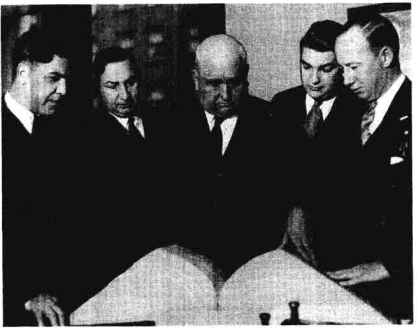
Prosecutors examining the tax delinquency rolls as they prepare their case against Chicago’s tax strikers in 1932. left to right: Assistant State’s Attorney John E. Pedderson, Assistant State’s Attorney Louis E. Geiman, County Attorney Hayden N. Bell, John C. Connery, and Assistant State’s Attorney James Clansey. (Chicago Tribune)
Even if the bankers needed the city government as much as it needed them, Cermak still chafed under the restrictions. After testifying before Congress, his determination to quell the strike redoubled. More than anyone, Cermak abhorred Chicago’s distinction for having the largest tax strike in the country if not in American history. In the months ahead, he would go to extreme lengths to break the back of illegal tax resistance.

