

The last time the Federal Reserve managed to hit its two-percent price-inflation target was March of 2021. At the time, Fed Chairman Jerome Powell was telling everyone that price inflation was “transitory.” By the end of that year, however, price inflation was near 40-year highs. But he had to insist that it was all no big deal. After all, the central bank and its allies—including countless hack economists—had assured everyone that the massive monetary inflation of the Covid Panic period, when the central bank essentially printed $5 trillion, would have no significant effects on price inflation. The multi-decades high in inflation proved them wrong, of course, but you won’t hear many apologies from the economists who were so very, very wrong. Meanwhile, the dollar lost a quarter of its purchasing power in just a few years, and home prices have soared to historic levels of unaffordability.
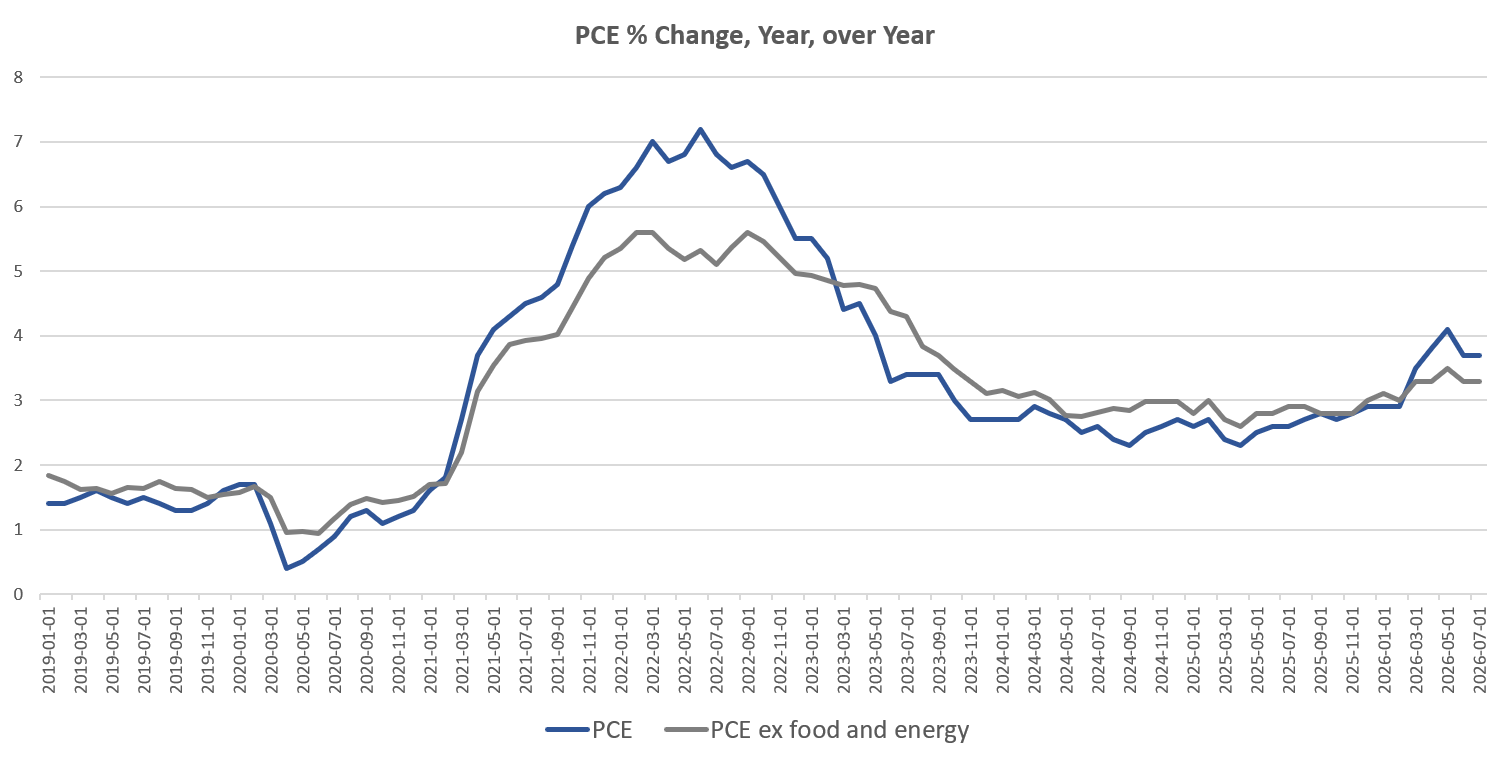
The latest reminder of this record of failure, which now extends longer than five years, comes with the most recent inflation measure showing that PCE, the Fed’s preferred measure of price-inflation, was 3.7 percent, year over year, in July. Meanwhile, core PCE, for the same period, was 3.3 percent. This means the PCE measure (both core and non-core) has now been above the 2-percent target for 65 months.
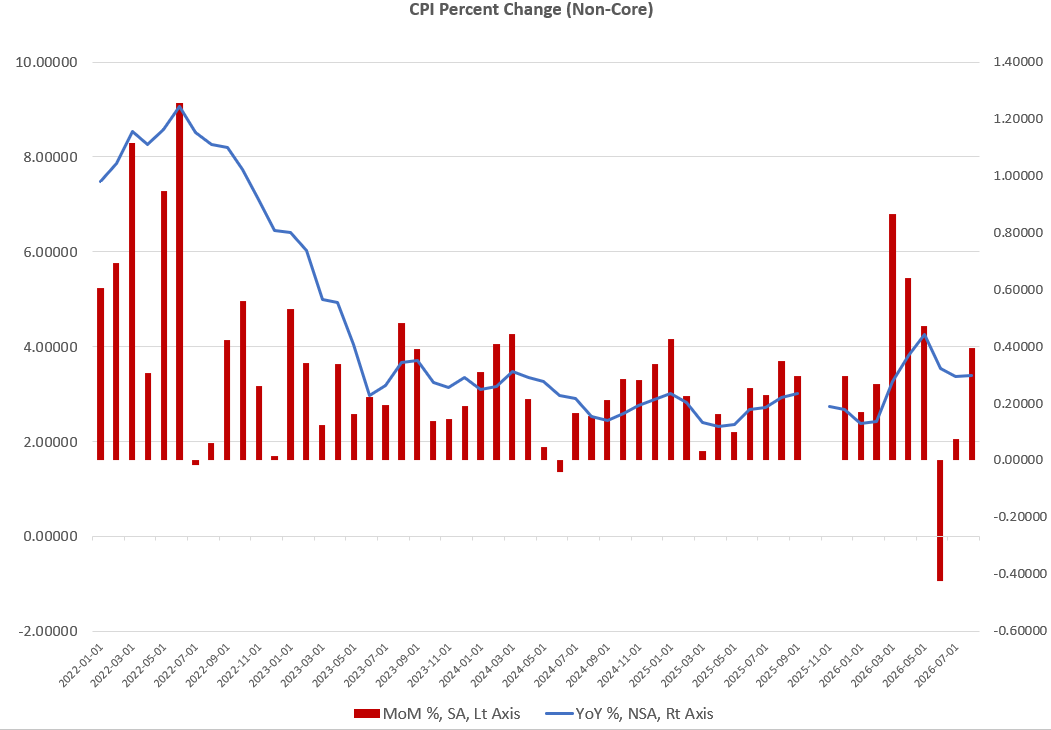
This reflects similar trends in CPI inflation. For example, for August of this year—the most recent month available—the CPI was up, year over year, by 3.4 percent. The CPI measure has been above the 2-percent mark for 67 months, and the CPI index has increased by 28 percent. By this measure, the dollar has lost 28 percent of its purchasing power since January 2020.
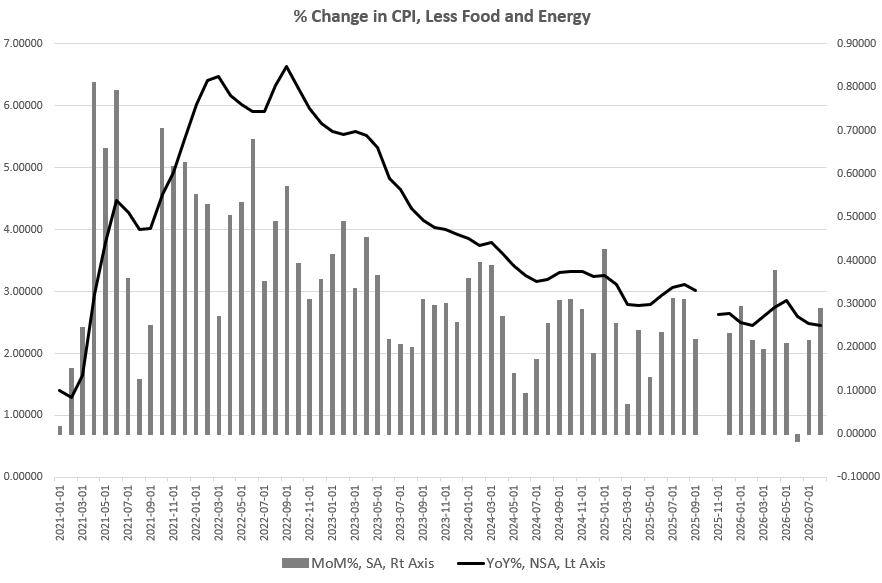
Non-core CPI does not depart from this trend, and August’s core CPI measure shows that price inflation increased by 2.4 percent, year over year. So, even if we remove energy and food—both of which continue to see significant increases in recent months—price inflation remains well entrenched in our economy.
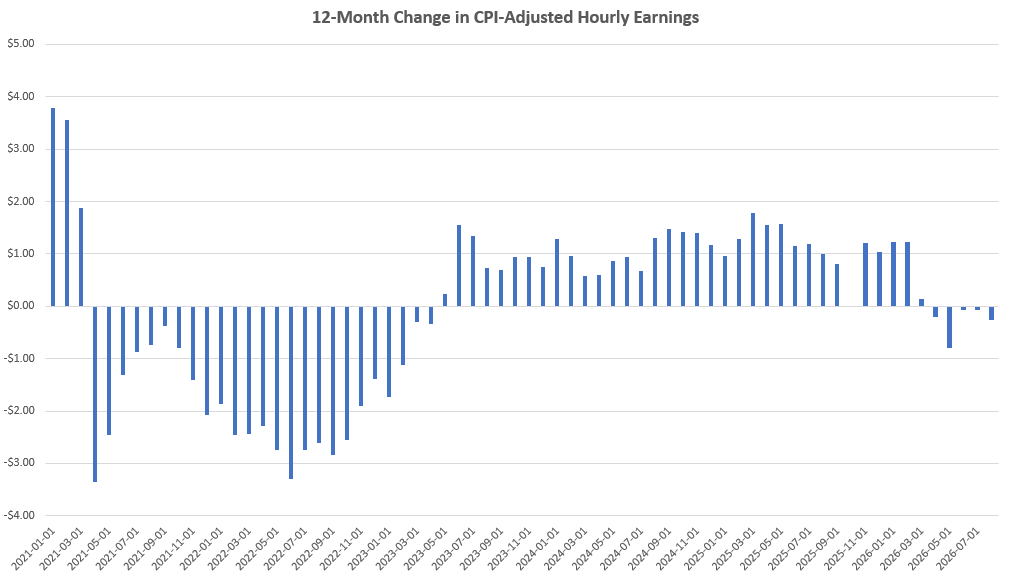
Many apologists for the new wave of inflation will tell you that wages have outpaced overall inflation, but this is only true for some, and tends to favor higher income people who own large amounts of assets. First time homebuyers and young wage earners feel the brunt of the inflationary reality. Moreover, throughout most of 2021 and 2022, and into early 2023, average hourly earnings fell behind the inflation rate for 25 months. And over the past five months, earnings have fallen behind the inflation rate again. Ordinary people are getting poorer, even if millionaires like Jerome Powell, who recently sold his waterfront estate for $7.2 million tells us everything is fine.
So, elevated price-inflation levels were baked into the policy cake reality even after Powell insisted countless times that the Fed was absolutely, definitely on a course to hit its target very soon. This was the excuse he used, for instance, when he announced the FOMC would reduce the target policy interest rate in September of 2024, when the PCE price-inflation rate was still at 2.4 percent. Powell insisted that price inflation was on a sure trajectory to the two-percent target. He’s now been proven wrong for 23 months in a row.
Most honest commentators at the time knew that Powell was just in search of some excuse to lower the policy rate. He wanted to play politics and provide an economic stimulus to favor the incumbent party in the run up to the 2024 election. The alternative explanation, of course, is that Powell actually thought that lowering the interest rate, while price-inflation was still above the target, would somehow magically keep his imagined downward trajectory on course. If he actually thought that, we should all regard that as an illustration of how the Fed’s “economic analysis” is a joke.
Powell was either lying to the public about his political scheming, or he was thoroughly ignorant about how his interest-rate policy would affect price inflation. Or both. In any case, it shows the absurdity of putting any faith in the central bank to guide the economy to safe harbors.
This is all a very short and recent history of how we got to where we are, and the bond markets seem to have caught on to the ruse. With inflation expectations now fueled by five years of Fed failure, long-terms yields continue to climb higher. This week, the ten-year yield rose above five percent for the first time since before the Global Financial Crisis back in 2008. Meanwhile, the 30-year yield is at the highest level since 2002. Yesterday, the average 30-year mortgage rose back above 7 percent. Long-term fixed payments aren’t nearly as lucrative when investors expect continued price-inflation growth to be beyond the tools and schemes of the central bank. The demand for higher yields reflects this. Treasury Secretary Scott Bessent is full of tough talk about how he will bring down interest rates. The bond markets are not impressed.
As a final note, it needs to be stated that we should never consider the two-percent target to be some sort of immutable law of economics. I mention the target only to illustrate that, even after the Fed sets a very low bar for itself, it still can’t hit its own arbitrarily invented price-inflation goal. The two-percent target is an invention of the 1990s—largely pushed by incorrigible inflationist Janet Yellen, to give the Fed more room to inflate. The policy is very good for wealthy asset owners since it allows for the constant looting of dollar holders, in pursuit of higher asset prices. This is done to please Wall Street and Baby-Boomer real estate owners. Trump has even admitted he wants more price inflation in order to pander to elderly property owners. The made-up two-percent target helps the central bank manufacture a political justification for all this, while pretending that the inflation target is some sort of rigorous economic theory. But it’s all just a political trick in search of sound economics.

